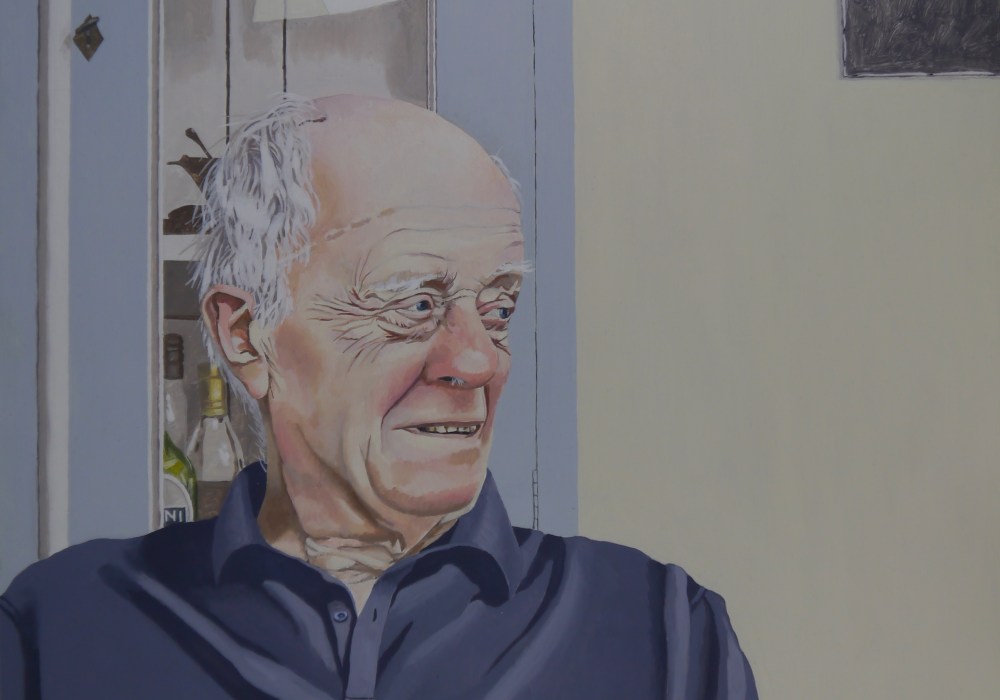
Interrupted reading
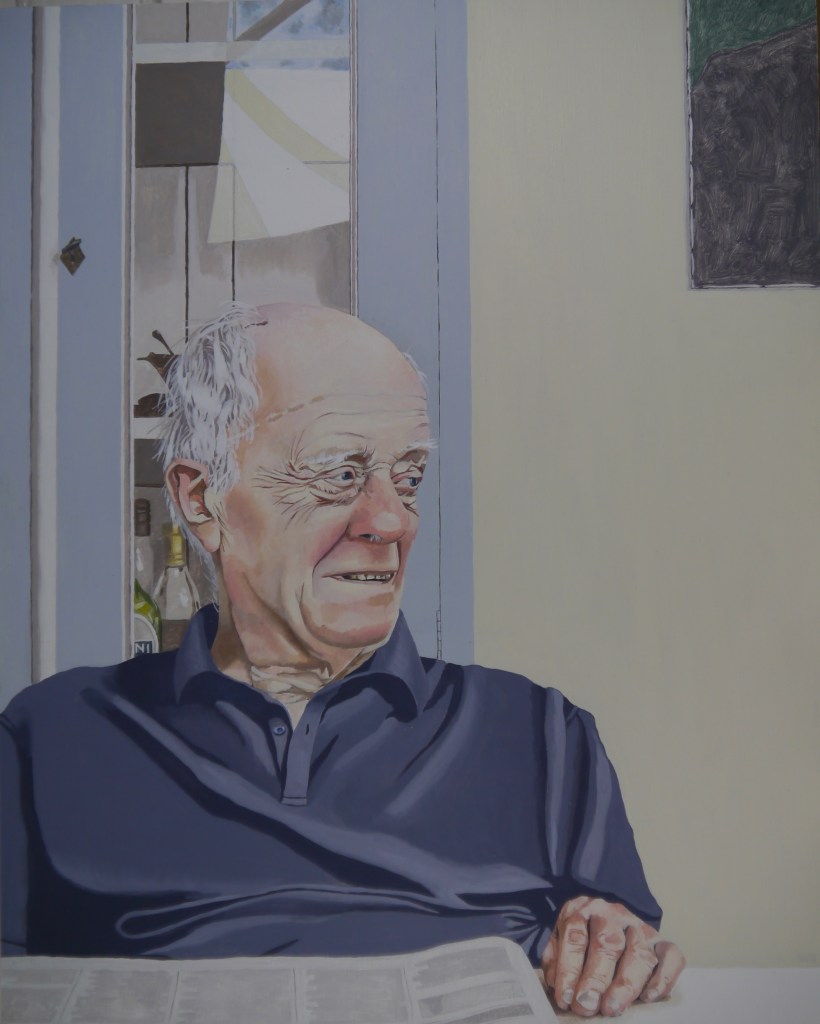
Oil paint on timber panel, 40.5 x 51cm.
Oil paint on timber panel, 40.5 x 51cm.
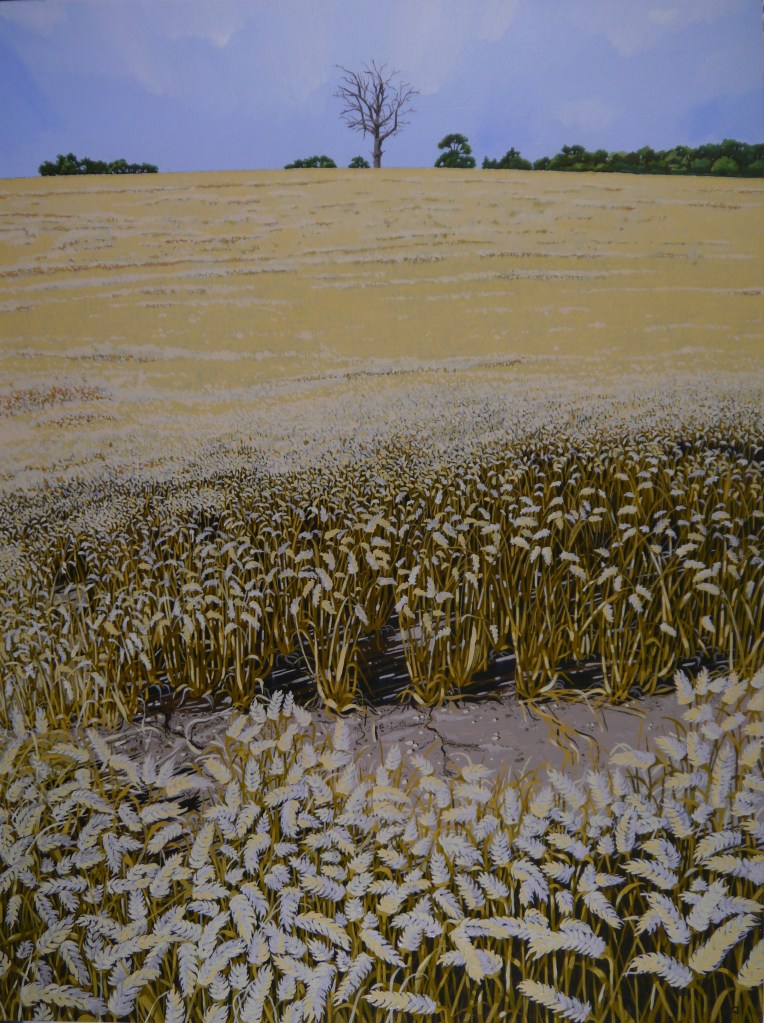
Oil paint on timber board, 45.7 x 61cm.
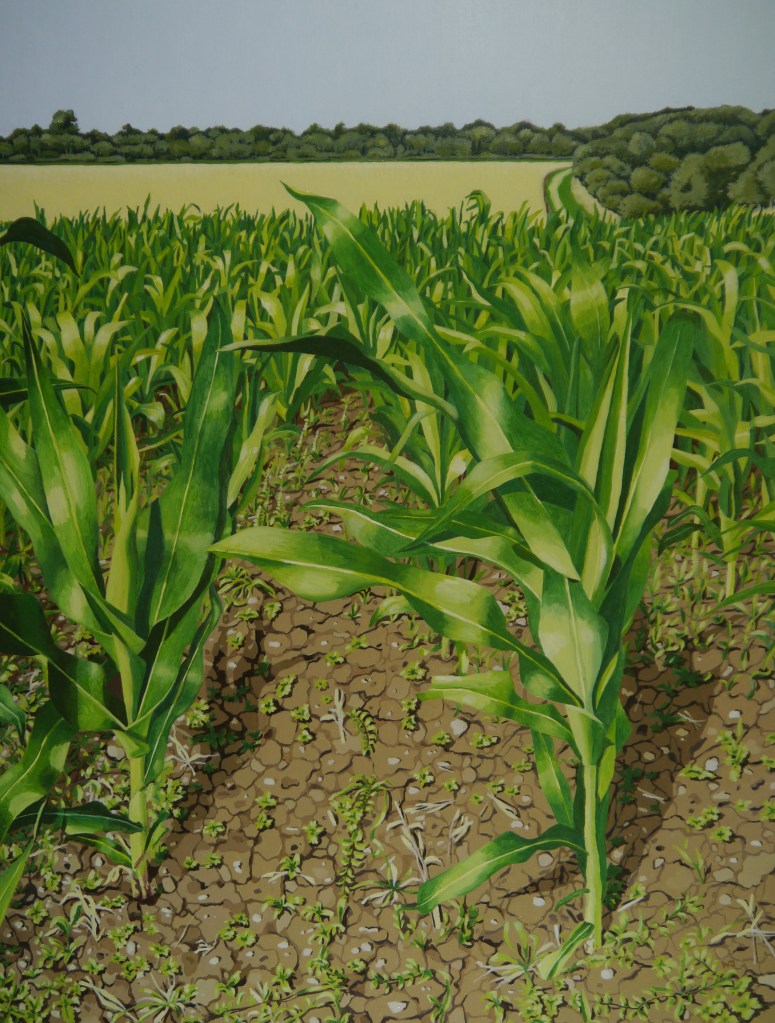
Oil paint on timber board 45.7 x 62cm.


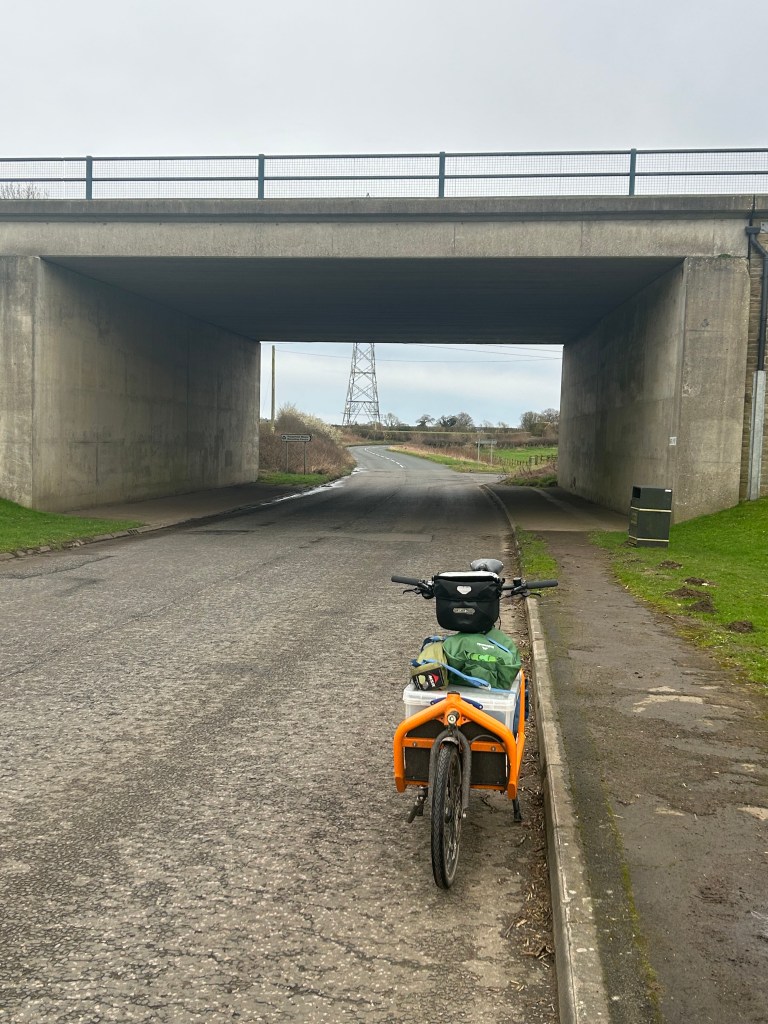
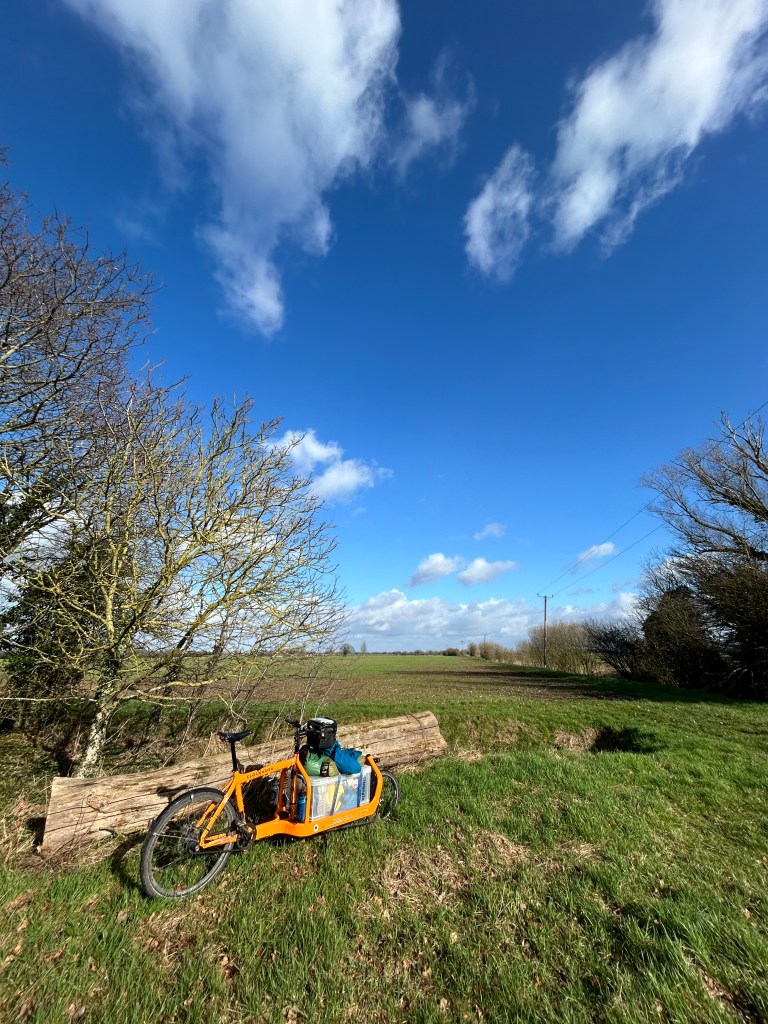
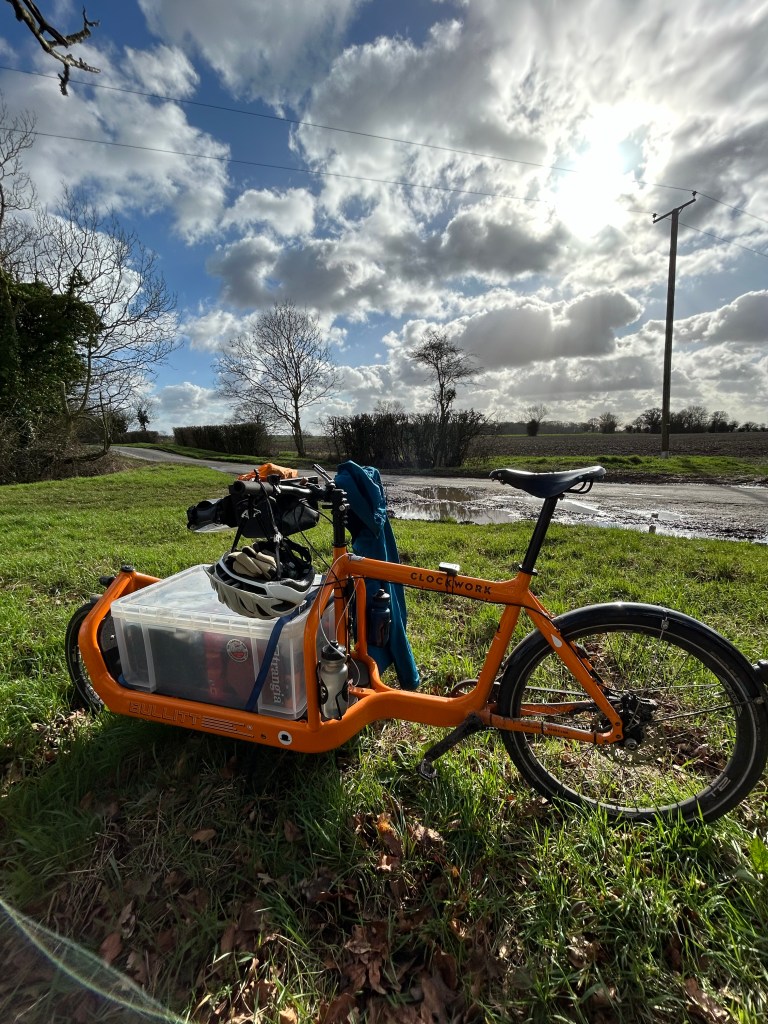

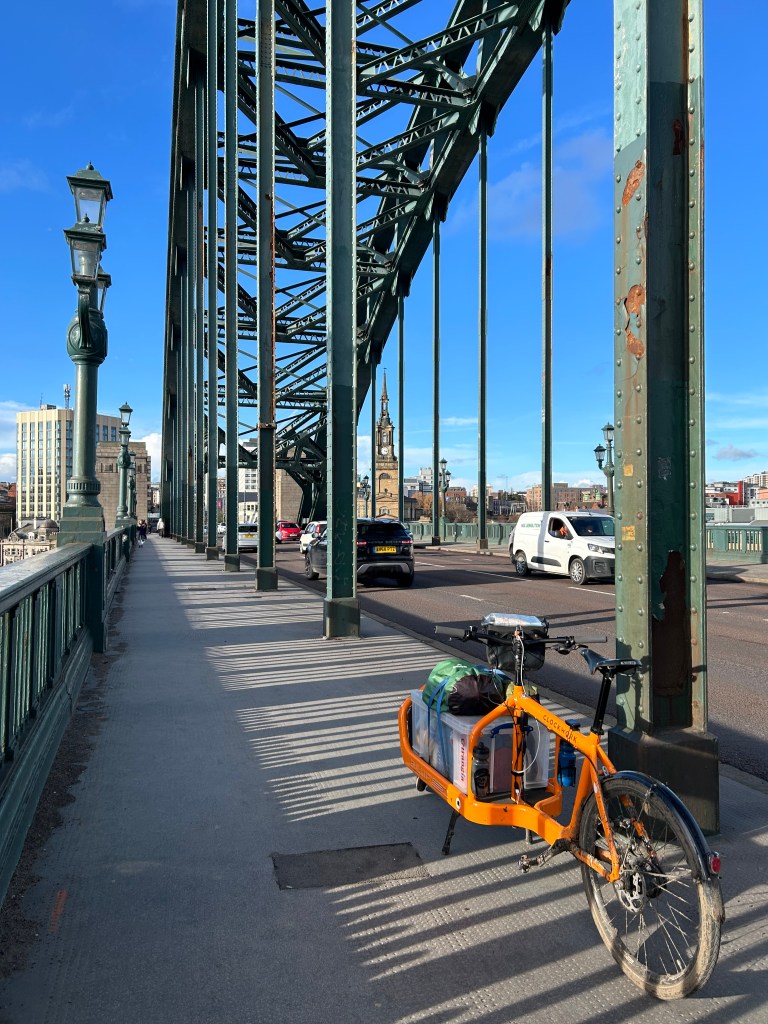
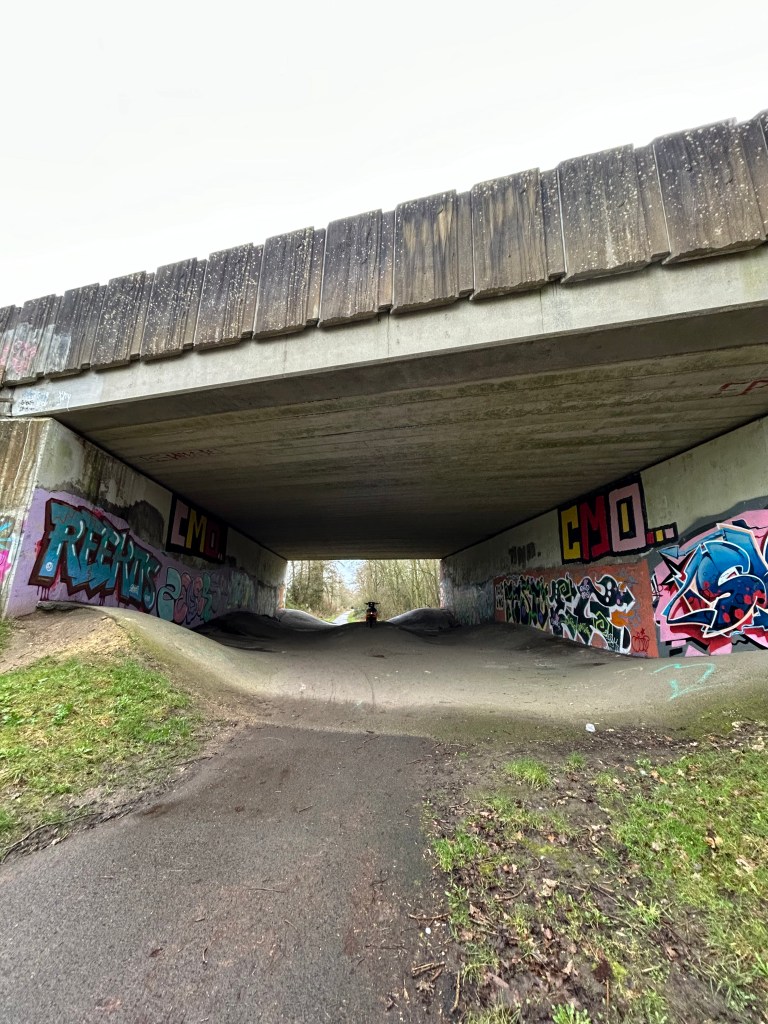
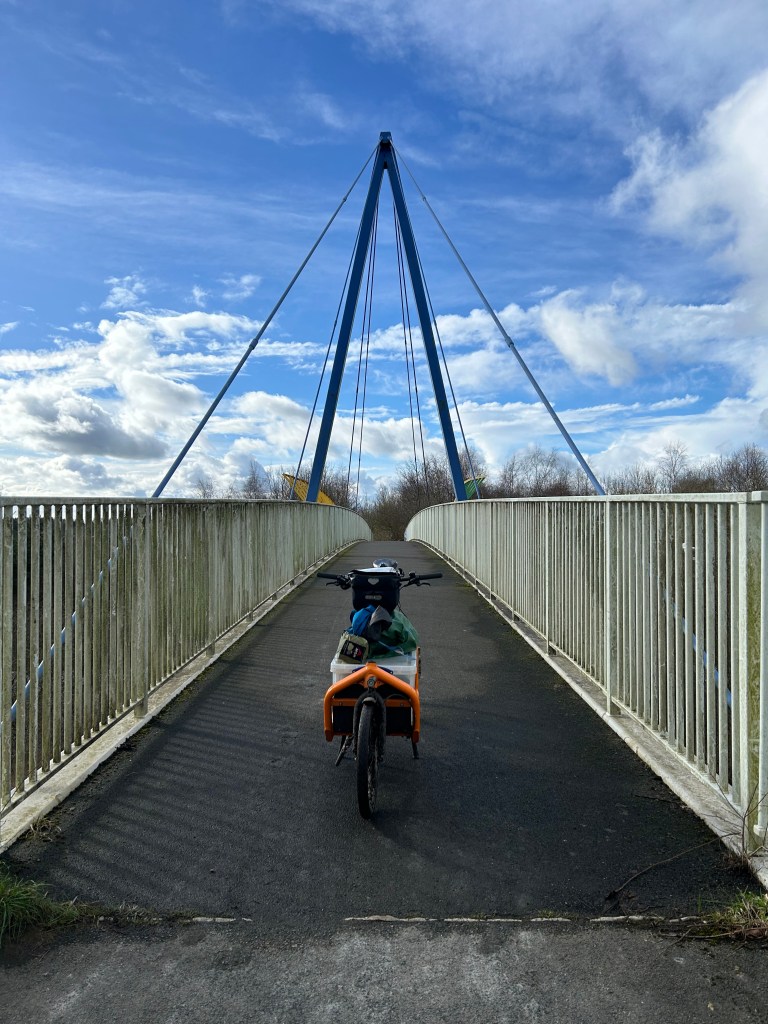

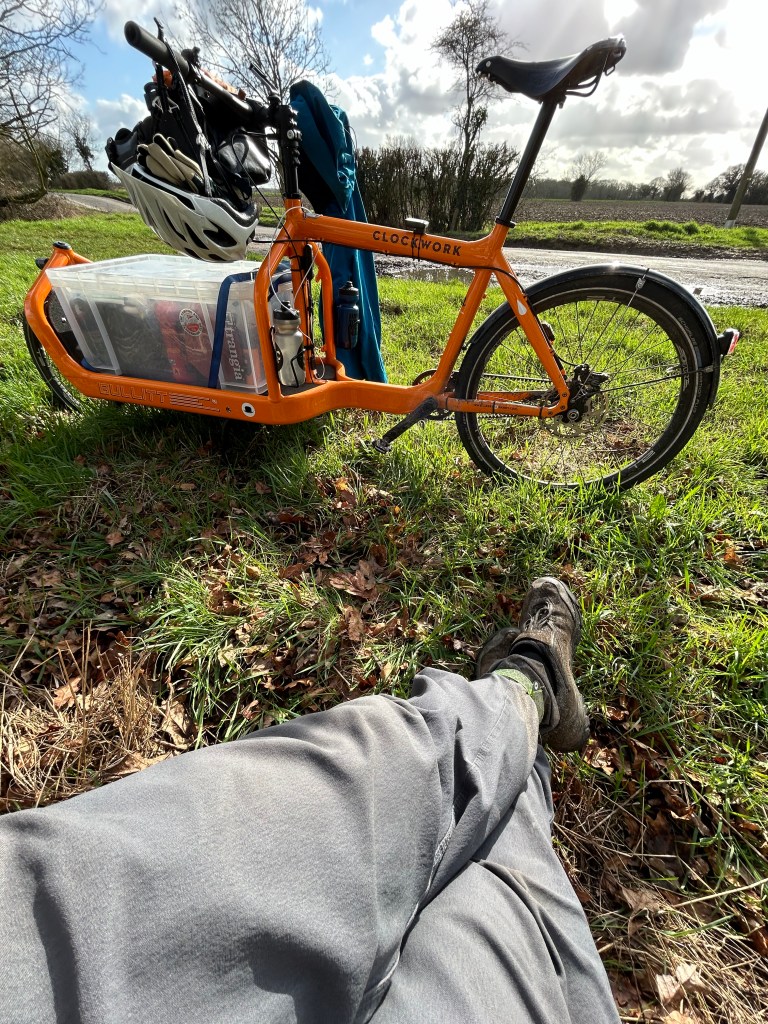


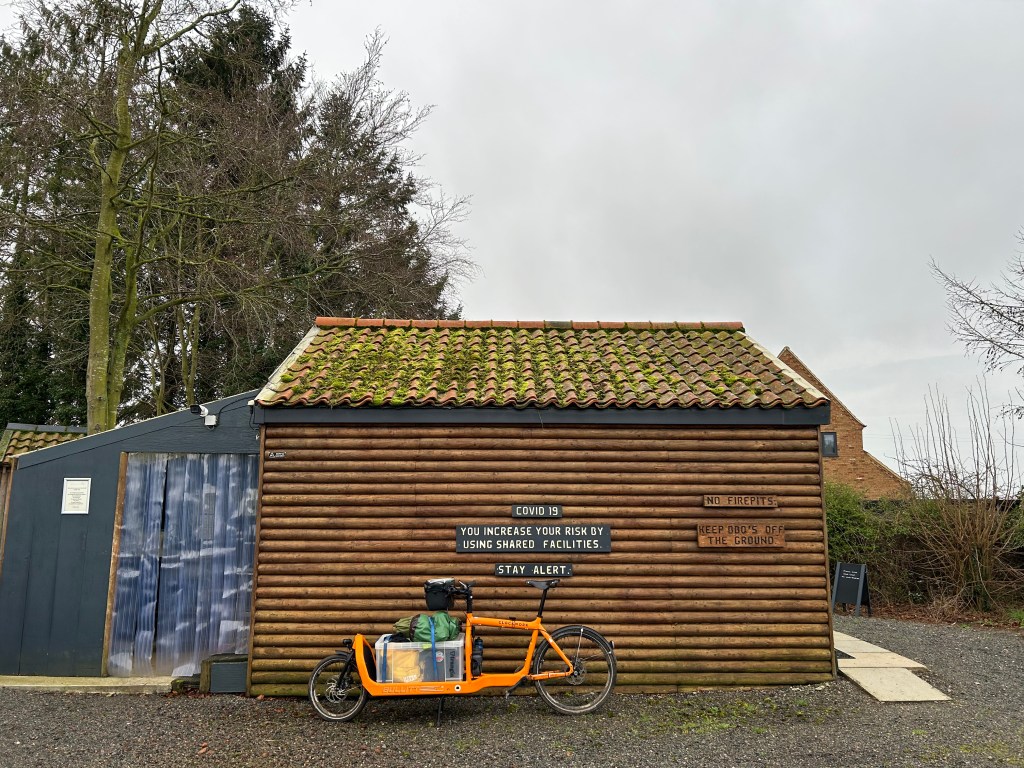

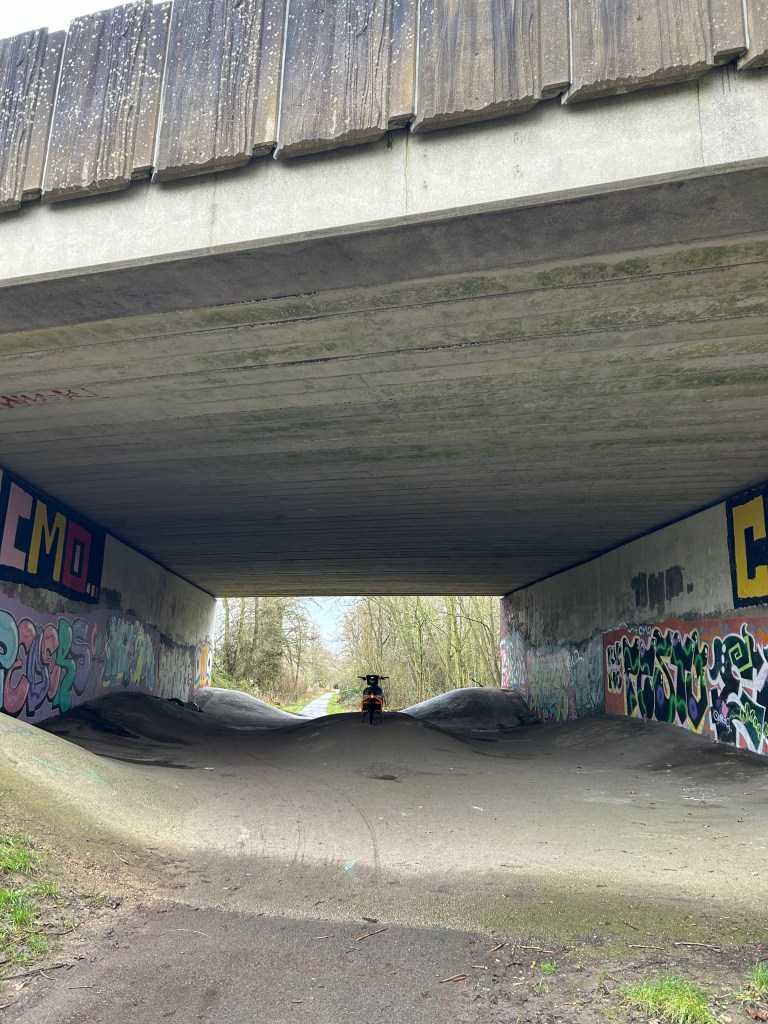


I have cycled for 6 days to meet up with Yasmin in Berwick for a couple of rest days before continuing north to Stornoway.
The weather has been both wet and windy and only recently a little more settled. It is expected to change again as I ride on getting both colder and wetter. The landscape of the south has slipped away from spring bulbs and tree blossoms to winter with bare trees and grey woodlands. The flatlands and waterways of the Fens have shifted from the straight and horizontal to the more steeply rolling hills and curves of moorland and fell. Dairy cows are replaced with beef heifers. Sheep fill fields.
Berwick is a dramatic place to arrive with its bridges over the Tweed, the Elizabethan fortifications, steep narrow streets and views to the North Sea and Lindisfarne. To rest awhile, eat and drink and catch-up with Yasmin is wonderful. The solitary riding lets my mind drift to other self supporting journeys which are good now to share with her. I ask:
“Do you remember the Jedburgh couple and their weird B&B we stayed in on the way to Edinburgh? I kept seeing sign posts for it chasing me as I ride along!”
And:
“Do you remember the lady we rescued from her car in the dyke in the Fens? I’m sure I rode part of that road north of Boston”
Looking ahead I will retrace other paths and places we have stayed, in particular circling north around the Cairngorms towards Inverness. Pitlochry, Blair Athol and Aviemore. It will be very different with the cargo bike riding parallel to the A9 for as much as possible.
I feel very lucky still to be able to do this – ride a bike steadily for a day – and to enjoy the diversity of accent and culture that still is Britain.
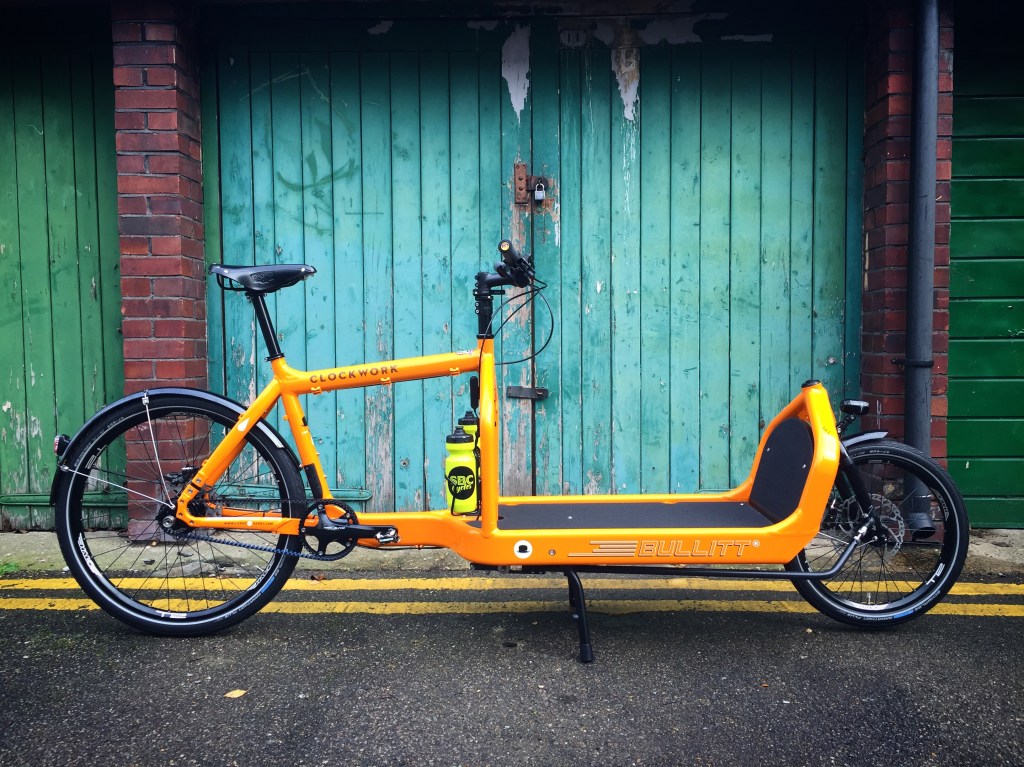
Getting ready.

Preparations are underway for next week’s departure northward on the cargo bike to Stornoway via Berwick-on-Tweed and Inverness. Slow peddling with a mix of campsites and pub hotels as I hope the spring weather in the UK holds.


These are small oil painted veneered boards exploring differing colour explorations for larger figurative pictures in progress. They follow reading ‘Interaction of Colour’ by Josef Albers and visits to Tate Modern to see the ‘Hilma af Klint & Piet Mondrian: Forms of Life’ exhibition. Mondrian’s famous abstractions, look simple but are not. There is much thought into the placing of the canvas into a framing board, the treatment of the edge returns, and of course the physical geometric proportions of everything he is working with – lines and blocks of colour.
Here the boards explore and investigate the problems of:

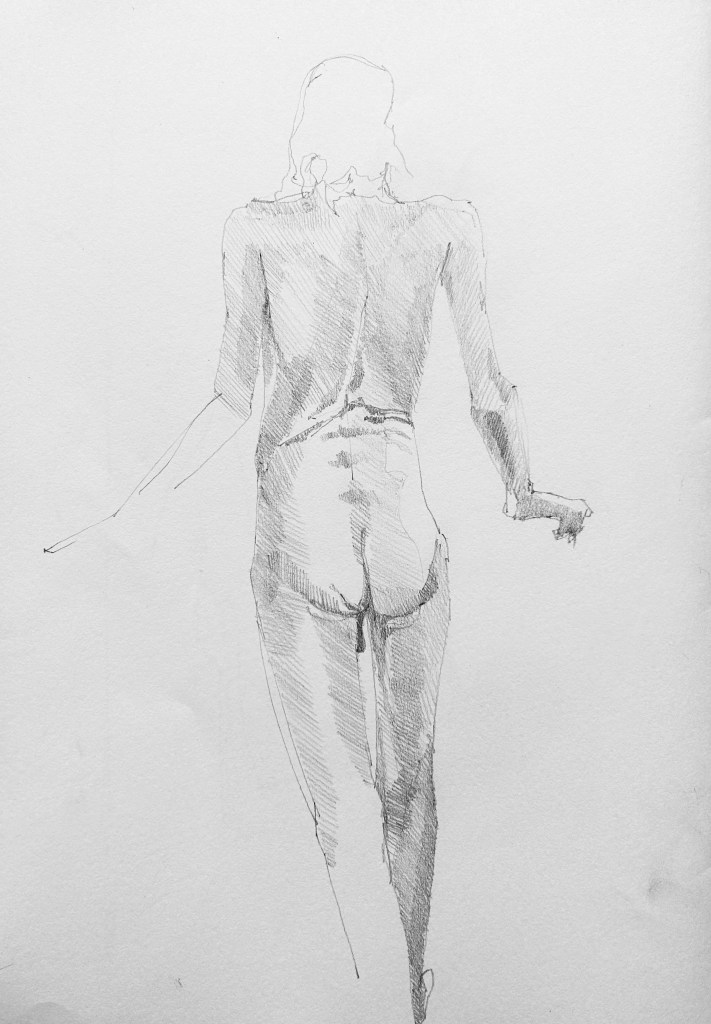
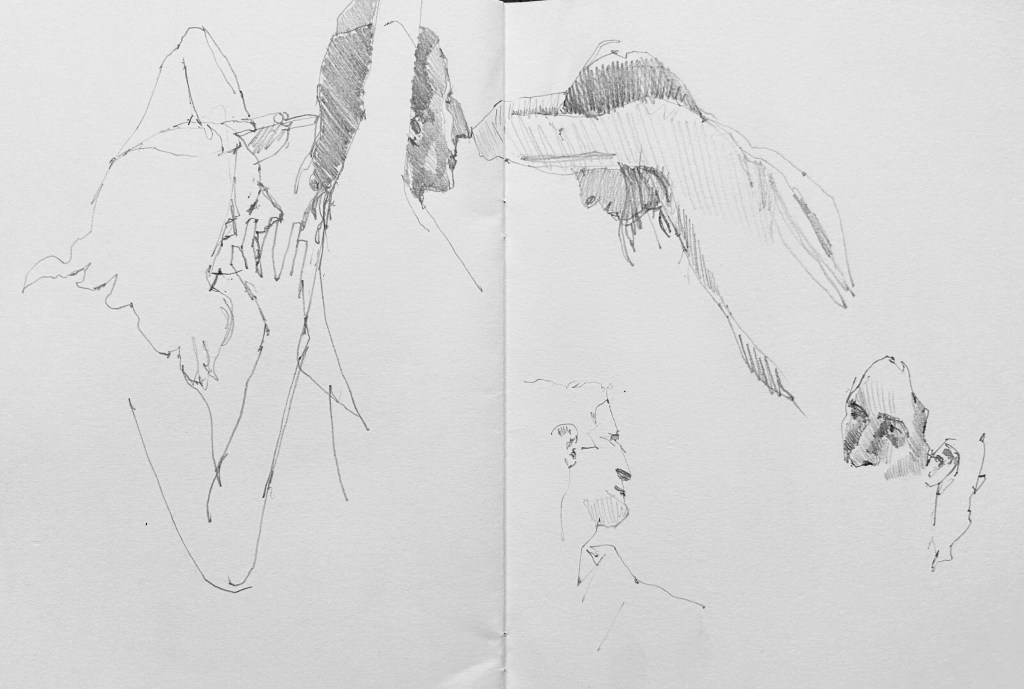
The life drawing classes continue at Tottenham Art Classes at the Beehive Pub in South Tottenham every Thursday evening. Here is Stephen, a fantastic model who we have drawn several time before. You should have been there!

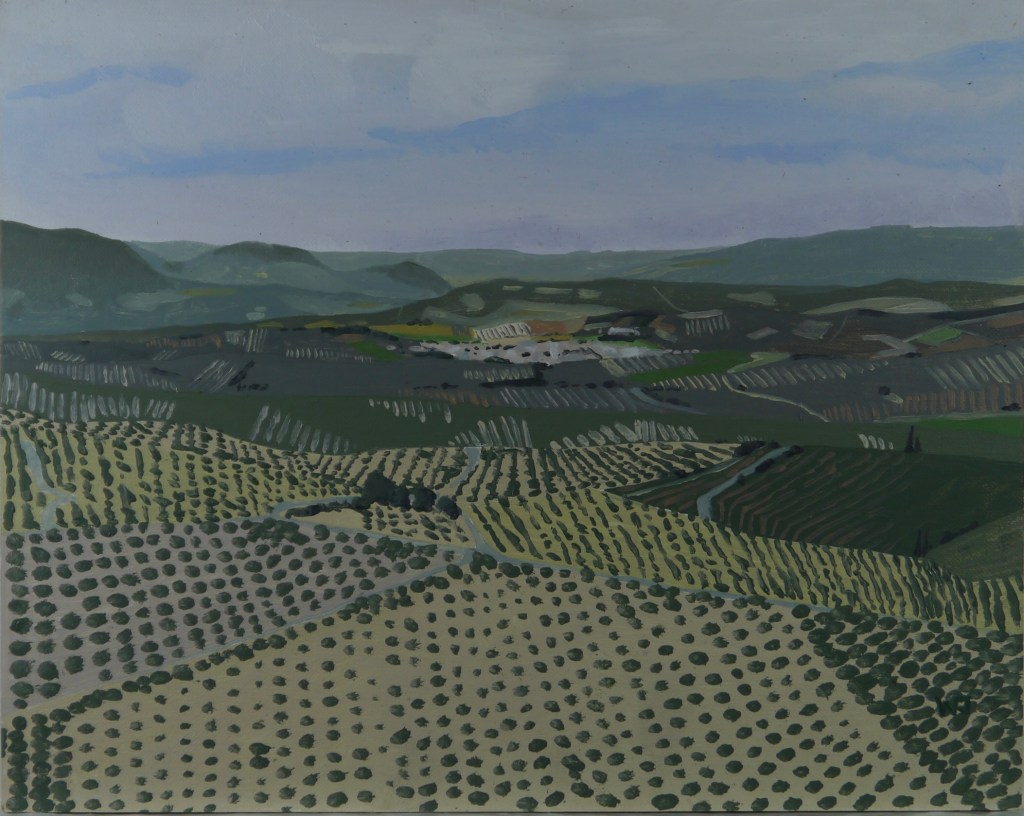
Oil paint on canvas board 24 x 30cm.

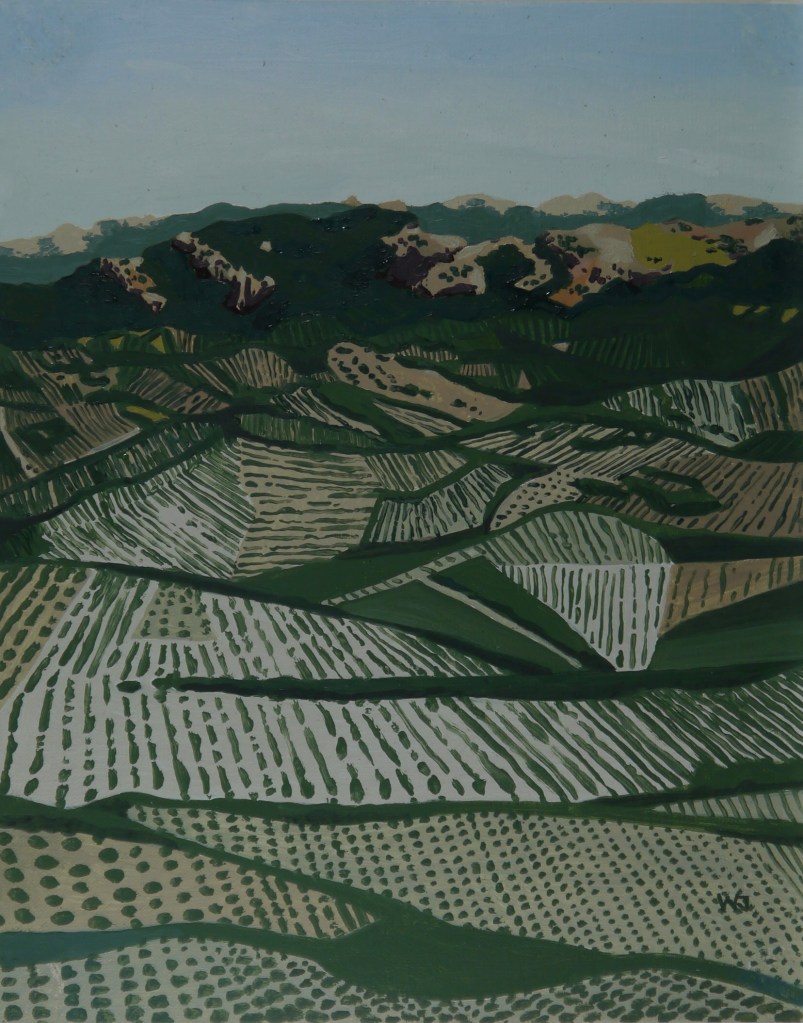
Towards Jaén. Oil paint on canvas board 40 x 30cm.
One of many pictures painted over a three week working holiday high in the mountains overlooking the olive fields of the Providencia de Jaén. See below for other works to be shortly exhibited. News to follow.




 Art from a Bicycle